European Union Deforestation Regulation (EUDR) is set to change the way we source and trade agricultural commodities. By late 2026, anyone buying soy, cocoa, coffee, or palm oil for the EU market will need to ensure that every shipment is fully traceable, down to the exact farm location and a verified, deforestation-free history for each plot. This level of traceability goes far beyond previous standards, and even the most organized supply chains are finding it a substantial challenge.
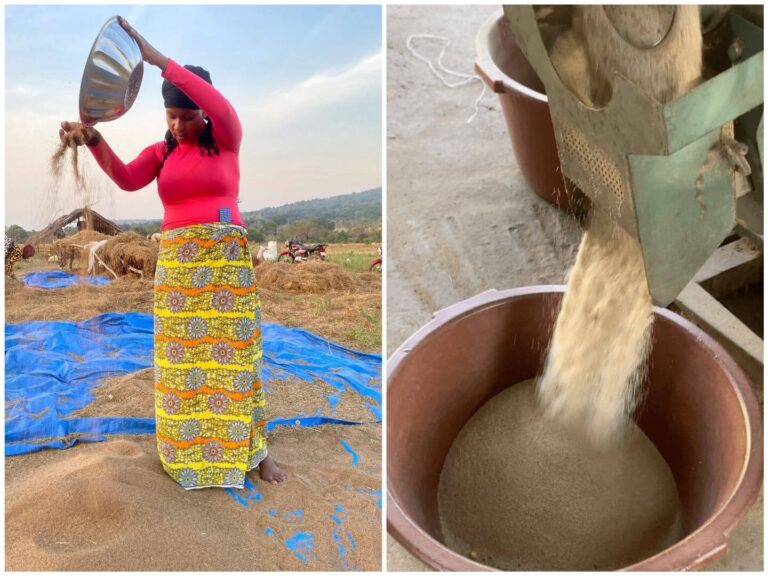
Large agribusinesses with robust data systems may find these new requirements tough, but they can usually manage. For smallholder farmers working plots of five hectares or less, especially across West Africa, it can feel almost impossible. The costs of compliance, from satellite monitoring to mapping and documentation, were never designed with these farmers in mind.
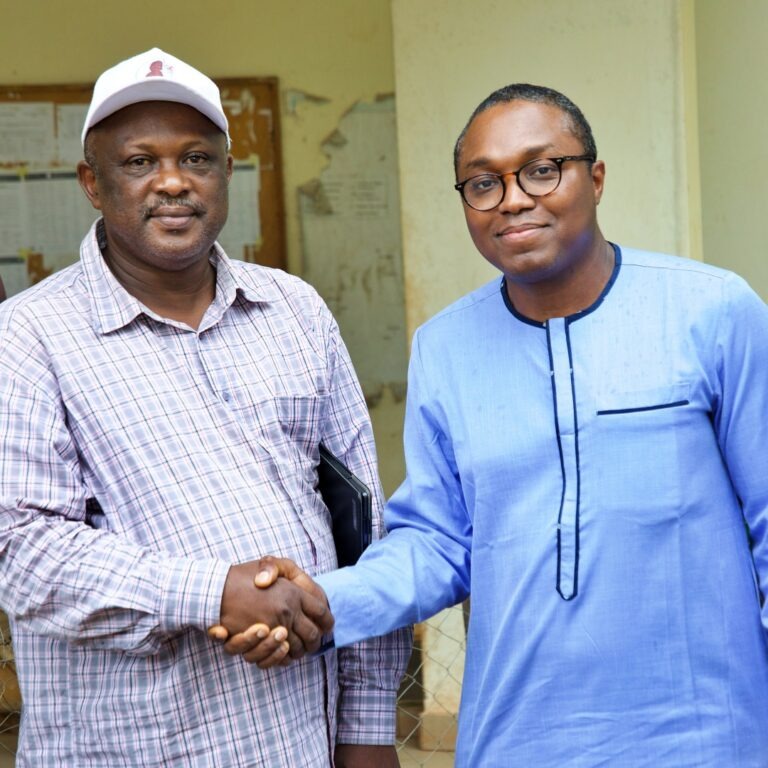
This is exactly the challenge that brought Malick Diedhiou, Director at Terra Ingredients Europe, and Osman Diallo, Founder & CEO at Telli Ventures, together to develop what eventually would become Open Grains.
Satellite-Powered Traceability: The Guinea Pilot
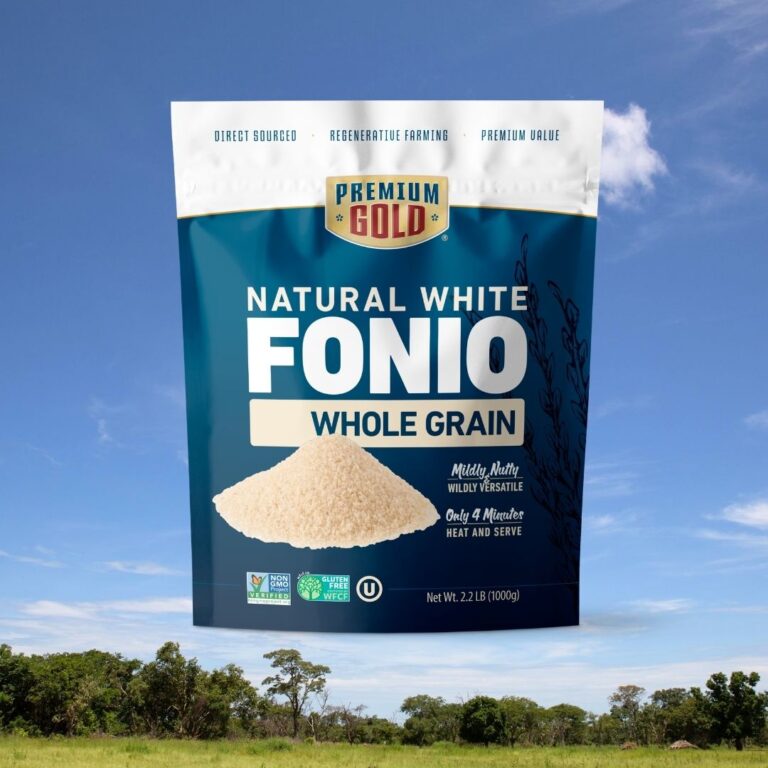
Open Grains is a digital traceability and compliance platform that grew out of a hands-on partnership between Diedhiou and Diallo. Their initial goal was simple: help Terra’s network of fonio farmers in Guinea, along with our Fairtrade-certified co-ops, get ready for the new EUDR requirements. We needed a solution that could scale to hundreds of smallholder farmers, but without the heavy burden of mapping every field by hand.
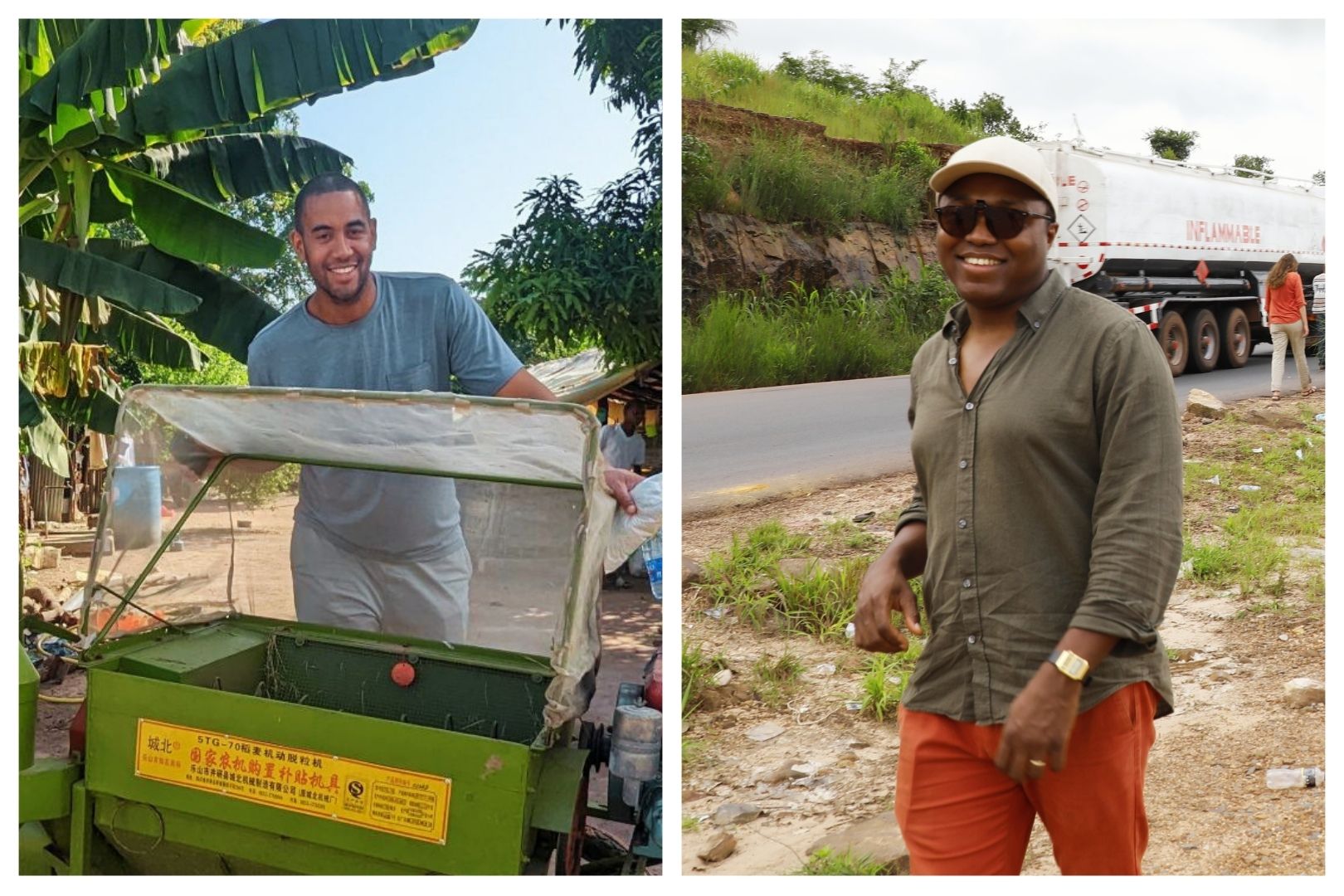
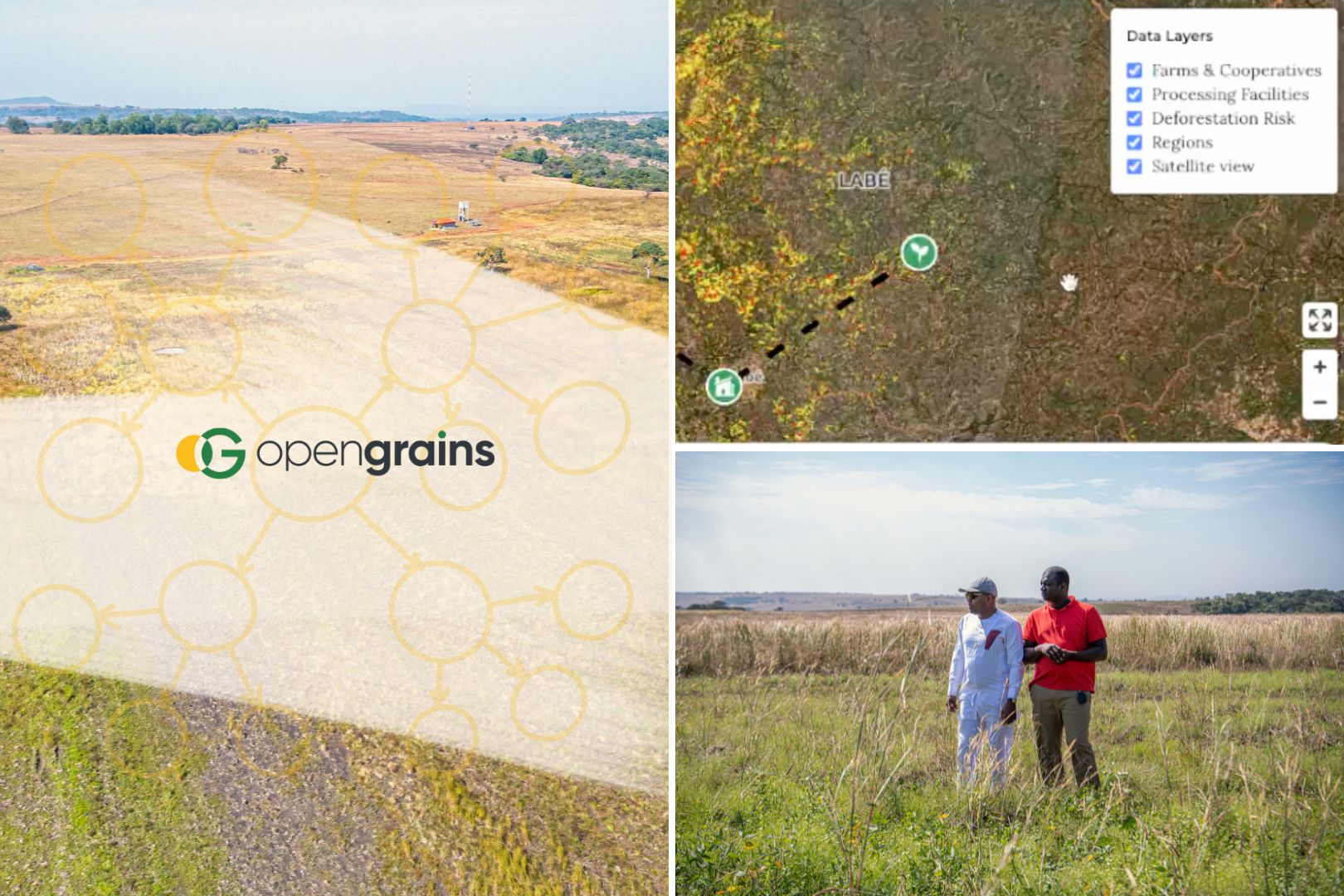
Rather than sending teams out to walk every farm boundary, Open Grains uses satellite imagery, geospatial data, and automated risk tools to handle compliance and traceability at scale. This digital-first approach makes data collection much more efficient, reduces paperwork, and allows even the smallest suppliers to meet tough regulatory standards without incurring overwhelming costs or effort.
“Open Grains handles all the compliance, traceability, and risk assessment automatically,” Diallo says. “What we’re trying to do is reduce the manual work for organizations working with smallholder farmers.”
As it proved effective in Guinea, the tool was quickly adapted for use in other supply chains. This included supporting on-the-ground traceability work already underway in Ghana, and expanding to coffee, cocoa, and other imported crops destined for the Nordic region. What started as a targeted infrastructure fix for Terra has grown into a broad compliance solution serving the needs of smaller suppliers often overlooked by the industry’s largest platforms.
“We found that the need for this solution was simply too big to use only for our fonio network in Guinea, so we began expanding the scope of the web platform to test with soy farms in Ghana and imported goods here in the Nordic countries,” adds Diallo.
Inside Open Grains: How the Platform Works
At its core, Open Grains connects three essential elements for compliance that many existing supply chains struggle to bring together: farmer-level data, geolocation, and satellite monitoring for deforestation.
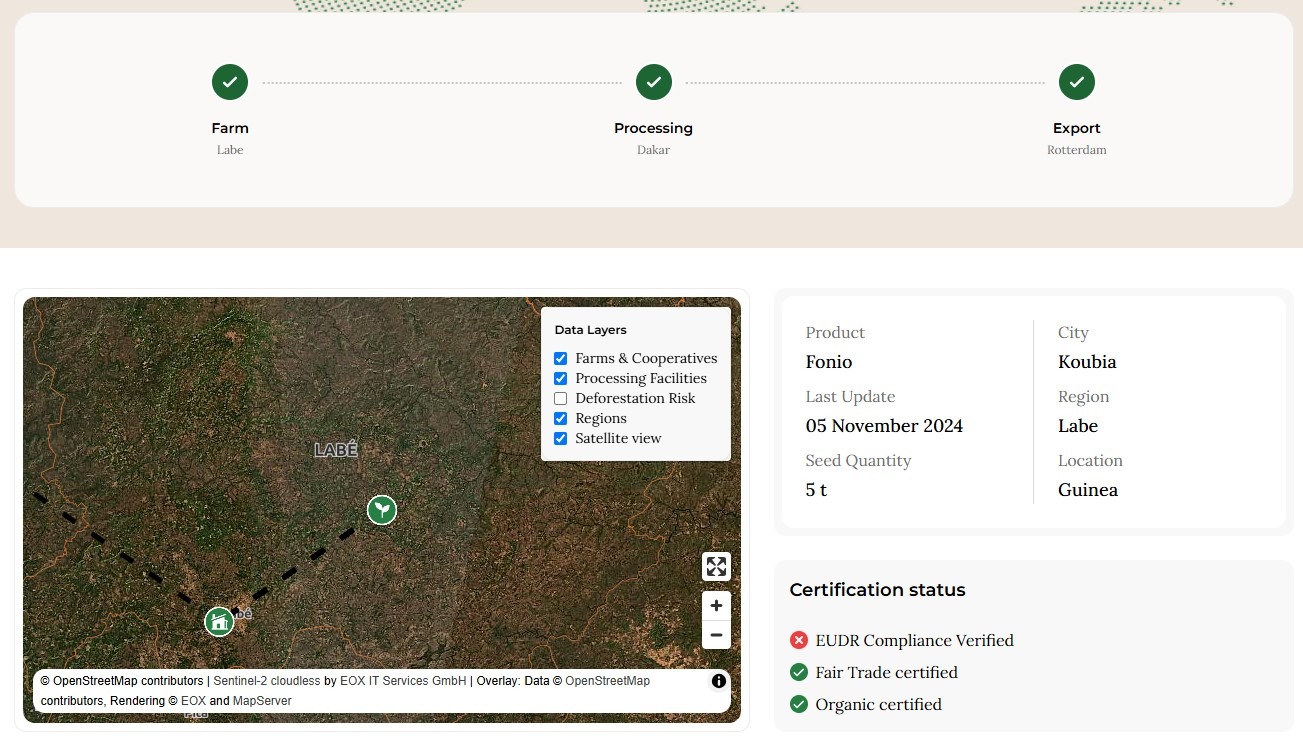
When a shipment enters the system, it is linked to a batch record that includes the crop type, harvest date, collection center, processing facility, and destination port.
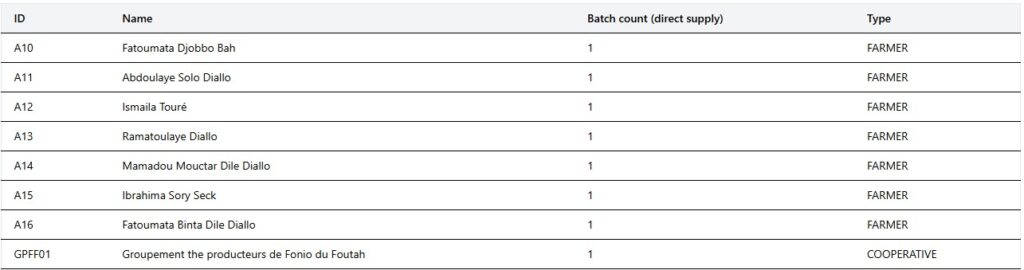
Each farmer who contributed to that batch has a unique identifier in the system, as does each individual farm, since one farmer may manage several plots. This means buyers can see exactly who grew what, and where.
The platform’s risk assessment layer is where the compliance work takes place. An automated algorithm scores each farm against deforestation and legal compliance parameters, using live satellite imagery to show the history of that plot over the past 5 years, which is the window required by EUDR. For clients who want a longer baseline, the system can look as far back as the year 2000.
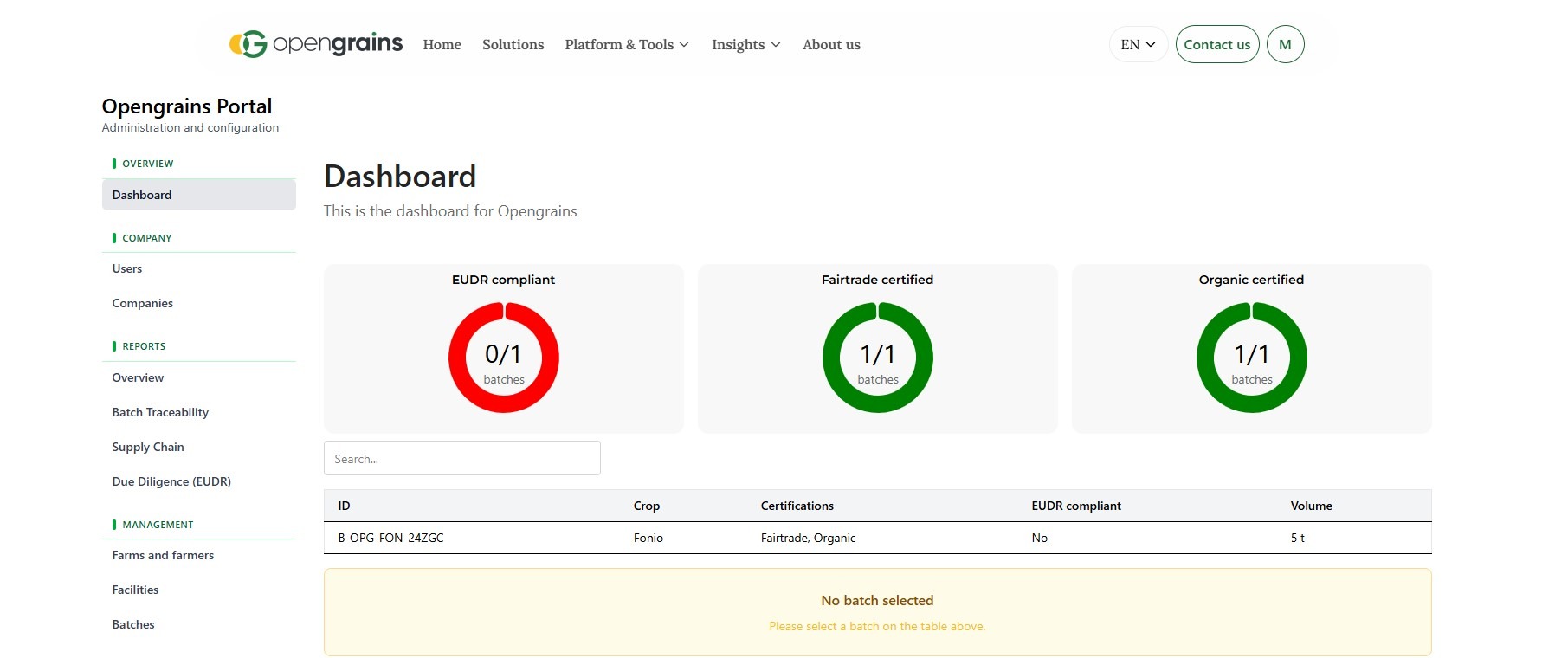
“Every time you run the report, the system is actually going around checking the latest satellite images for those specific farms,” Diallo explains. “If you have any issues, you can put evidence documentation into the system.”
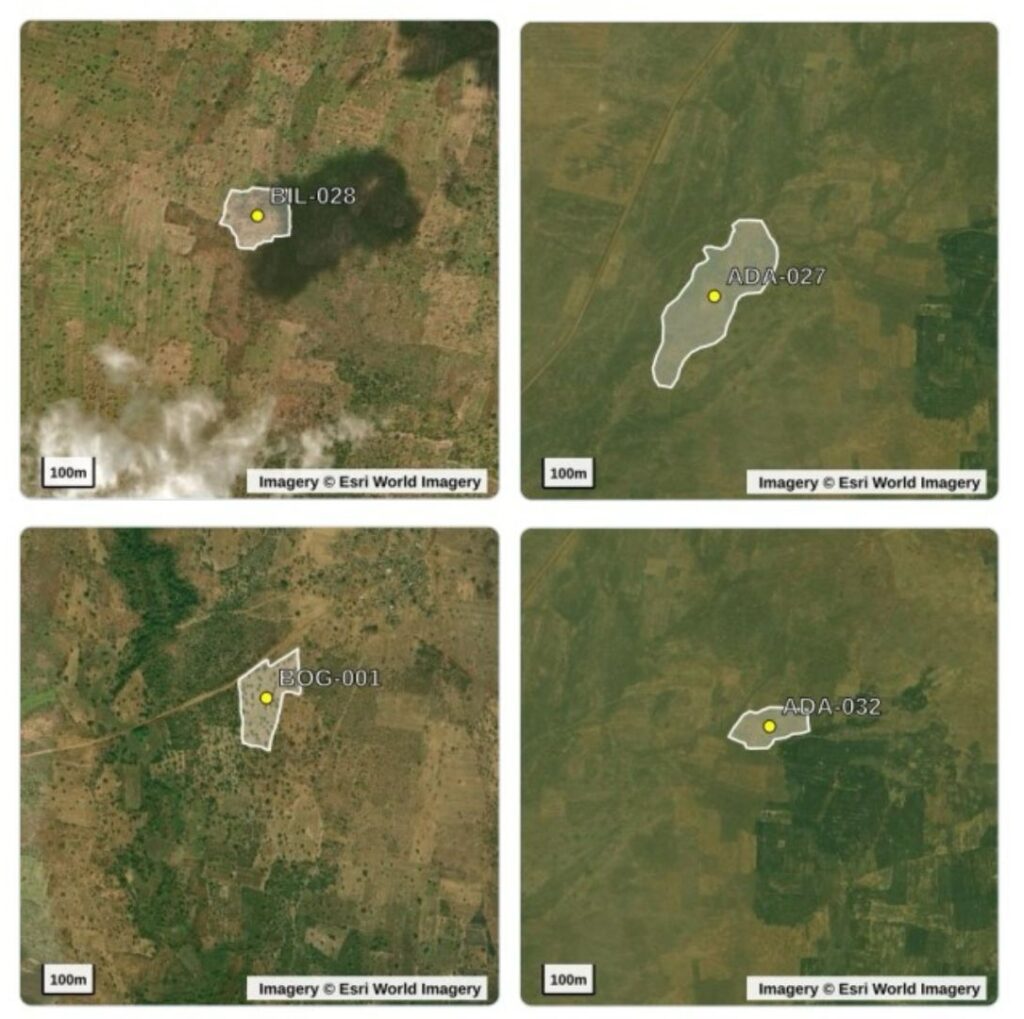
If a farm shows deforestation near its boundary, the system automatically flags it as high risk. Clients can then add documented mitigation steps, such as resampling, additional verification, or training records, before deciding whether to include that farmer in a compliant batch or remove them from it. Nothing is hidden. The compliance record clearly shows what was found and what actions were taken.
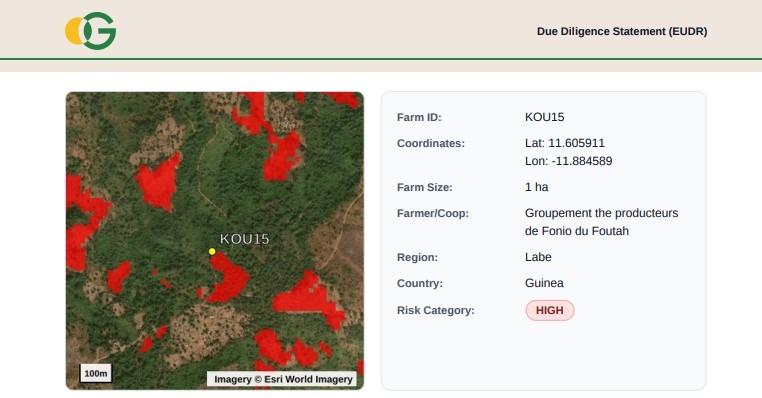
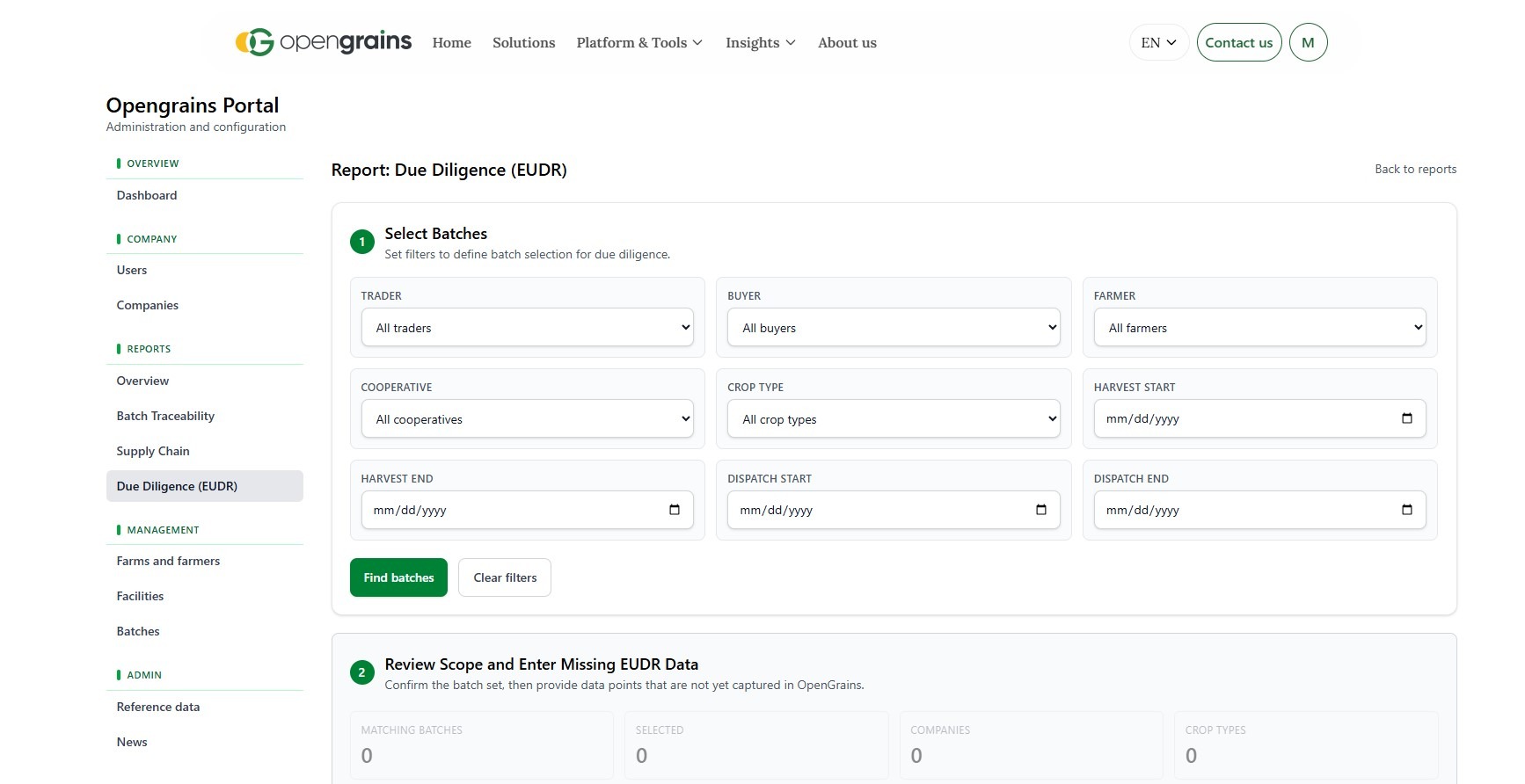
The platform generates three formal reports: a Batch Traceability report listing every farmer and farm with precise geolocations; a Supply Chain report for supplier verification; and an EUDR Due Diligence Report that serves as the full compliance document, ready for submission to EU authorities. Each report is electronically signed based on the credentials of the user who generates it.
Smallholder Farmers: At the Heart of the Challenge
The EUDR was created to stop deforestation. However, one unintended consequence is that it could exclude farmers who were not responsible for deforestation in the first place.
If the cost of tracing a single farmer exceeds the value of their crop, European buyers will stop sourcing from smallholders. This is not a malicious decision; it is an economic one. The regulatory burden falls on importers, who often respond by simplifying their supply chains. As a result, smaller and more complex origins are left out.
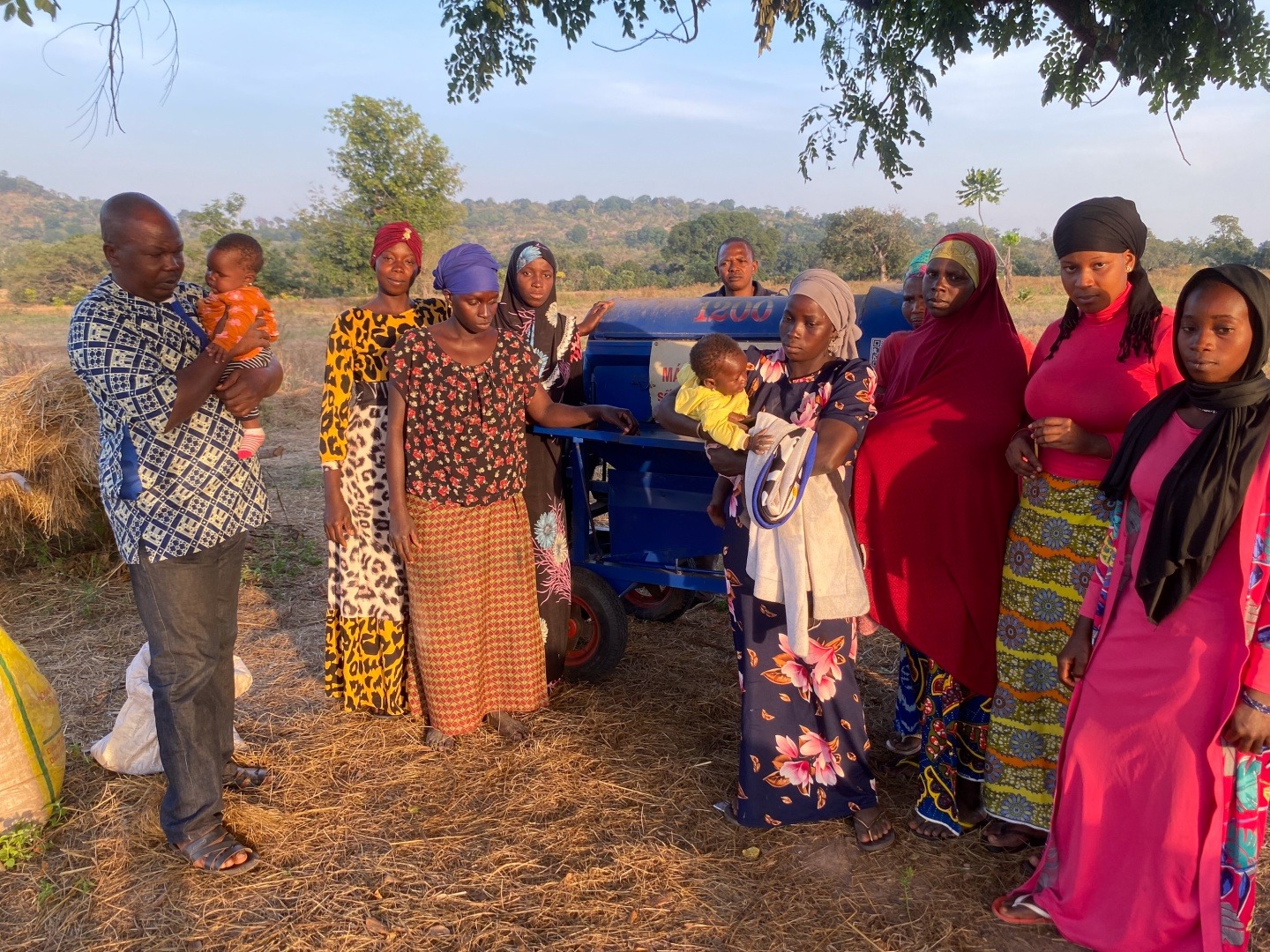
Diallo is direct about what Open Grains is trying to prevent. “We really focus on smallholder farmers,” he says. “They cannot afford the big bills that people pay to do traceability and satellite monitoring. We’re catering for a demographic that’s being left out.”
The platform’s design reflects this priority. Onboarding a new supplier is as simple as uploading an Excel file with farmer names and GPS coordinates, information that any organized field operation already has. From there, the system takes over: generating farm histories, running satellite checks, calculating risk scores, and producing reports that would otherwise require consultants and cost thousands of dollars. As Diallo points out, what clients used to pay external firms to generate, Open Grains now produces automatically.
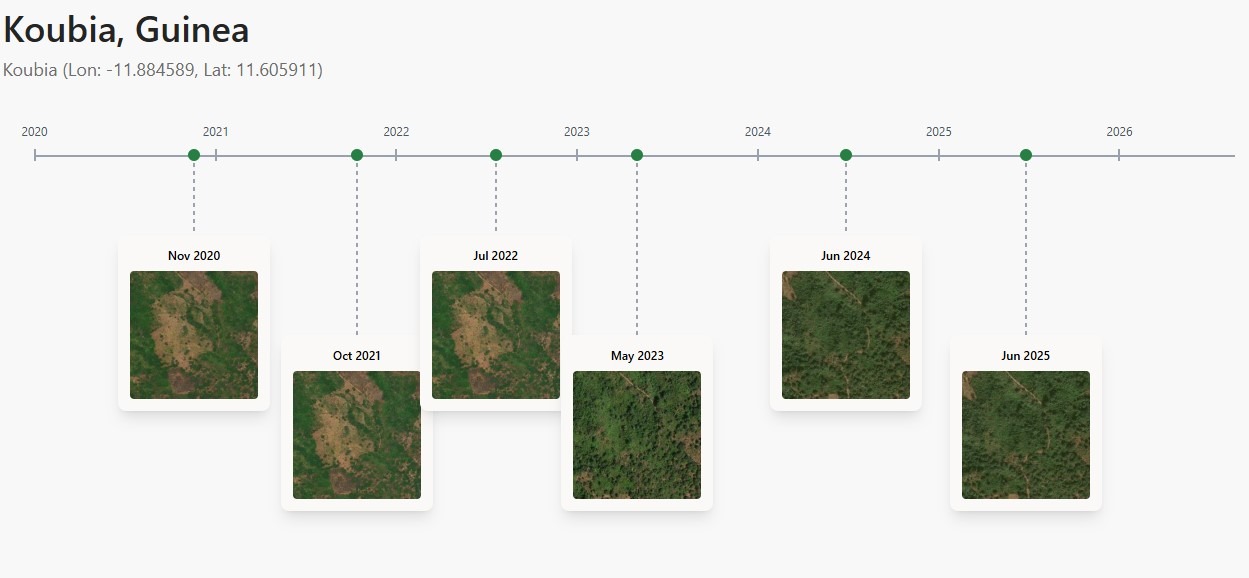
Understanding the satellite infrastructure behind this is important. High-resolution commercial satellite data at one-meter resolution can cost more than $20,000 per year. Open Grains uses publicly available Sentinel-2 satellite data, which starts at 10-meter resolution, and processes it with a custom algorithm to produce 1.5-meter resolution imagery. This is accurate enough to identify individual farm plots and detect deforestation events. The next phase of development aims to achieve one-meter resolution, which would enable crop detection and soil health analysis. This would let us advise farmers on their fields remotely, without the cost and time of sending a field technician.
Expanding Reach: Open Grains in Action with Lyon Agro
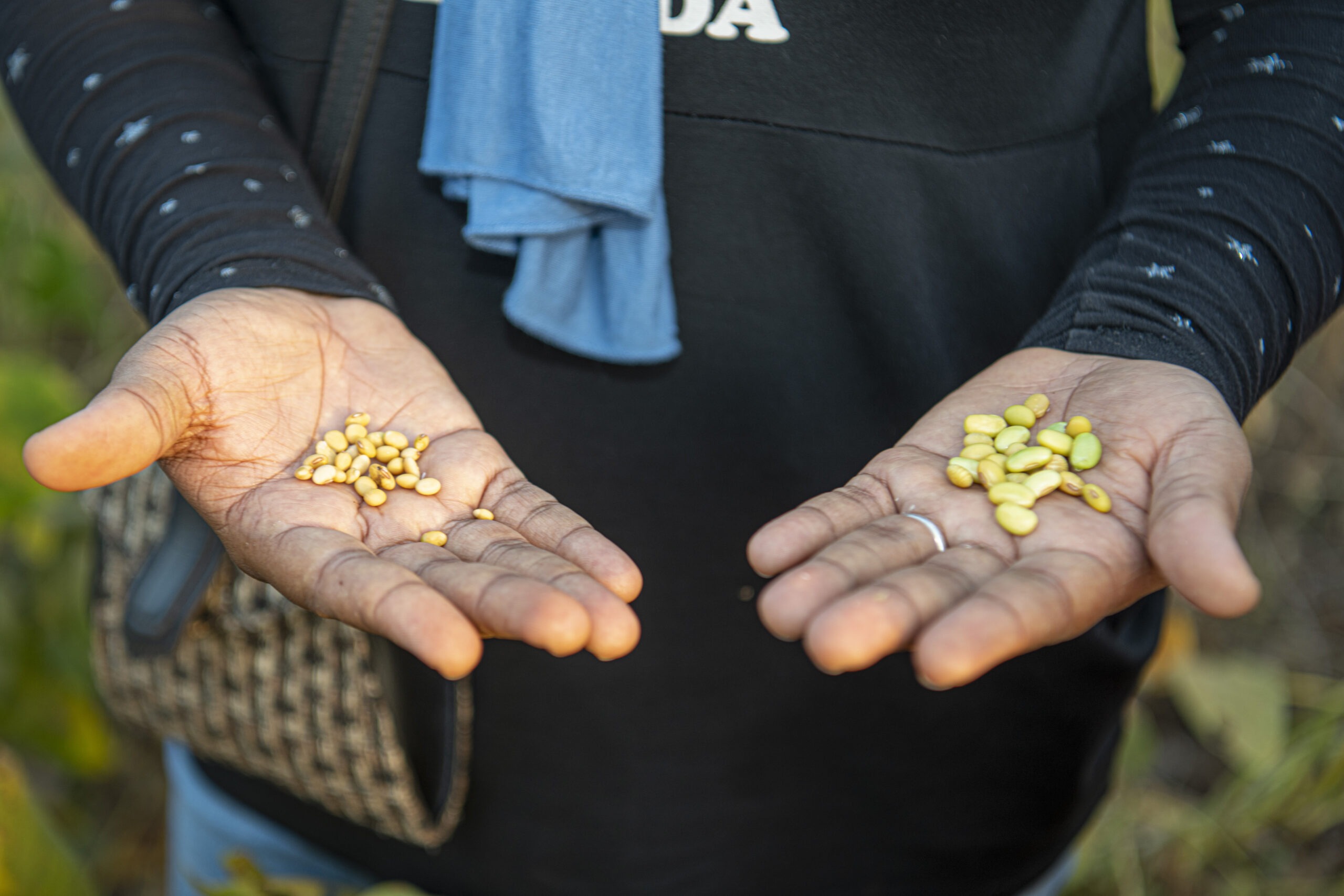
Terra Ingredients now runs its supply chain operations on Open Grains for both fonio in Guinea and soy in Ghana. For our customers, this means that when they source from Terra, the compliance documentation they need is already built into how we operate, not assembled after the fact.
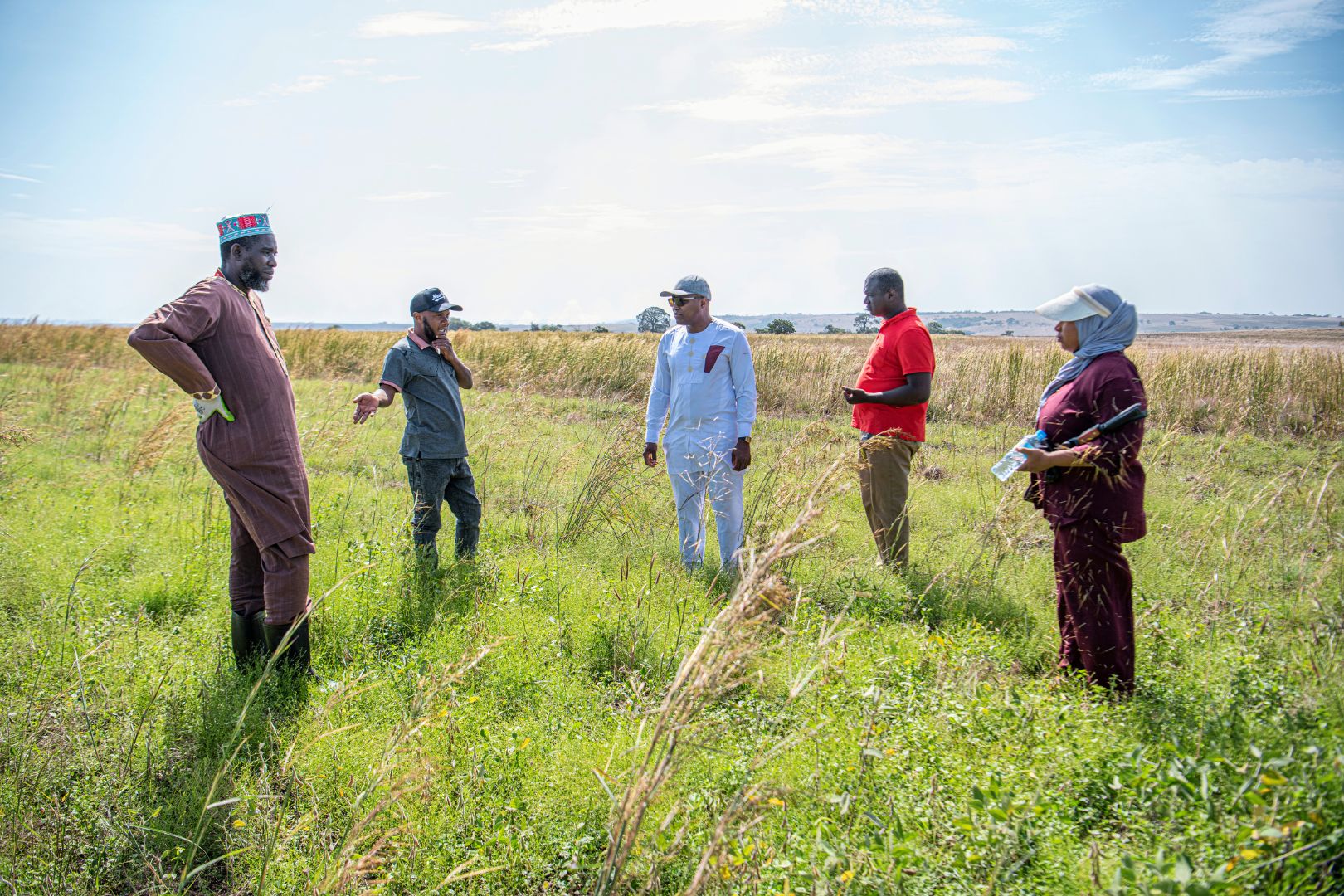
In Ghana, that infrastructure comes together through our partnership with Lyon Agro, founded by Nana B. Nyantekyi. Lyon Agro works with approximately 1,200 to 1,300 smallholder soy farmers across the Northern Region, and their operations feed directly into Open Grains. Field officers visit farming communities individually, recording each purchase against that farmer’s profile. As soy moves from farm to warehouse to container, every transfer is logged. Farm boundaries are walked and recorded with GPS devices rather than inferred from satellite imagery, which Nyantekyi has noted can be significantly misleading in the Ghanaian context.
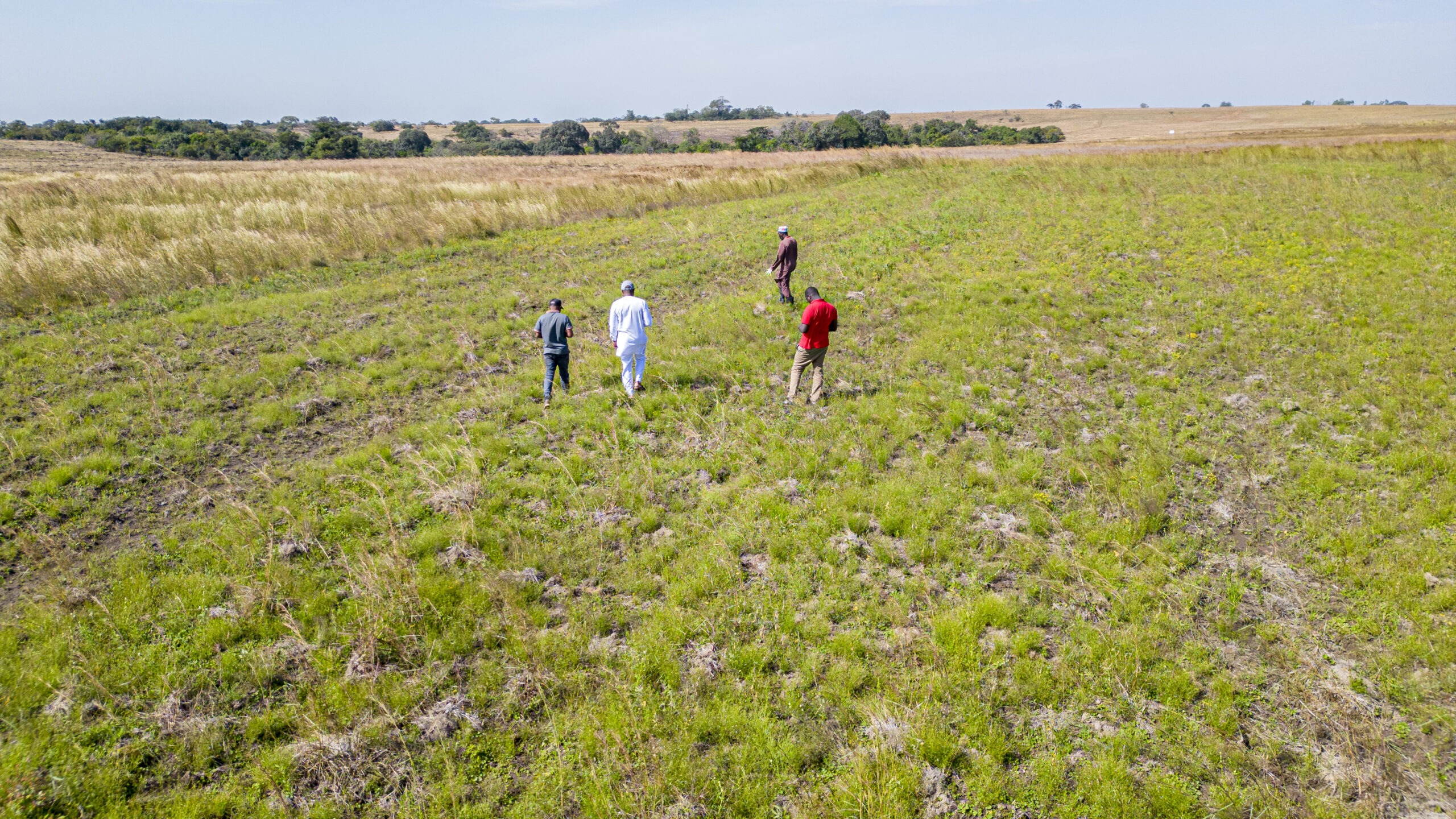
The result is a continuous digital record from the moment grain leaves the field to the moment it is loaded for export. When Open Grains runs a compliance report on a Lyon Agro batch, it checks against real, verified polygon boundaries rather than estimates.
“We can offer a verifiably traceable supply chain,” Nyantekyi said in our recent interview. “Everyone says they can do it, but very, very few people actually do.”
That documentation is already being put to the test. European buyers are auditing our Ghana operations ahead of EUDR enforcement, reviewing how farms are mapped, examining purchase records, and verifying that the data behind each shipment matches reality. Because Lyon Agro built their documentation infrastructure from the start, rather than retrofitting it, and because Open Grains provides the reporting layer on top, these audits go smoothly.
What’s Next for Traceable, Compliant Supply Chains?
Open Grains is still actively being developed. An email notification system is in the works to alert clients whenever new batches or documents are added, so they do not need to log in to check for updates. Document repositories are expanding to include bills of lading, certification records, and test reports alongside compliance documents. The satellite resolution roadmap aims to eventually enable automated crop detection and soil health analysis at the farm level.
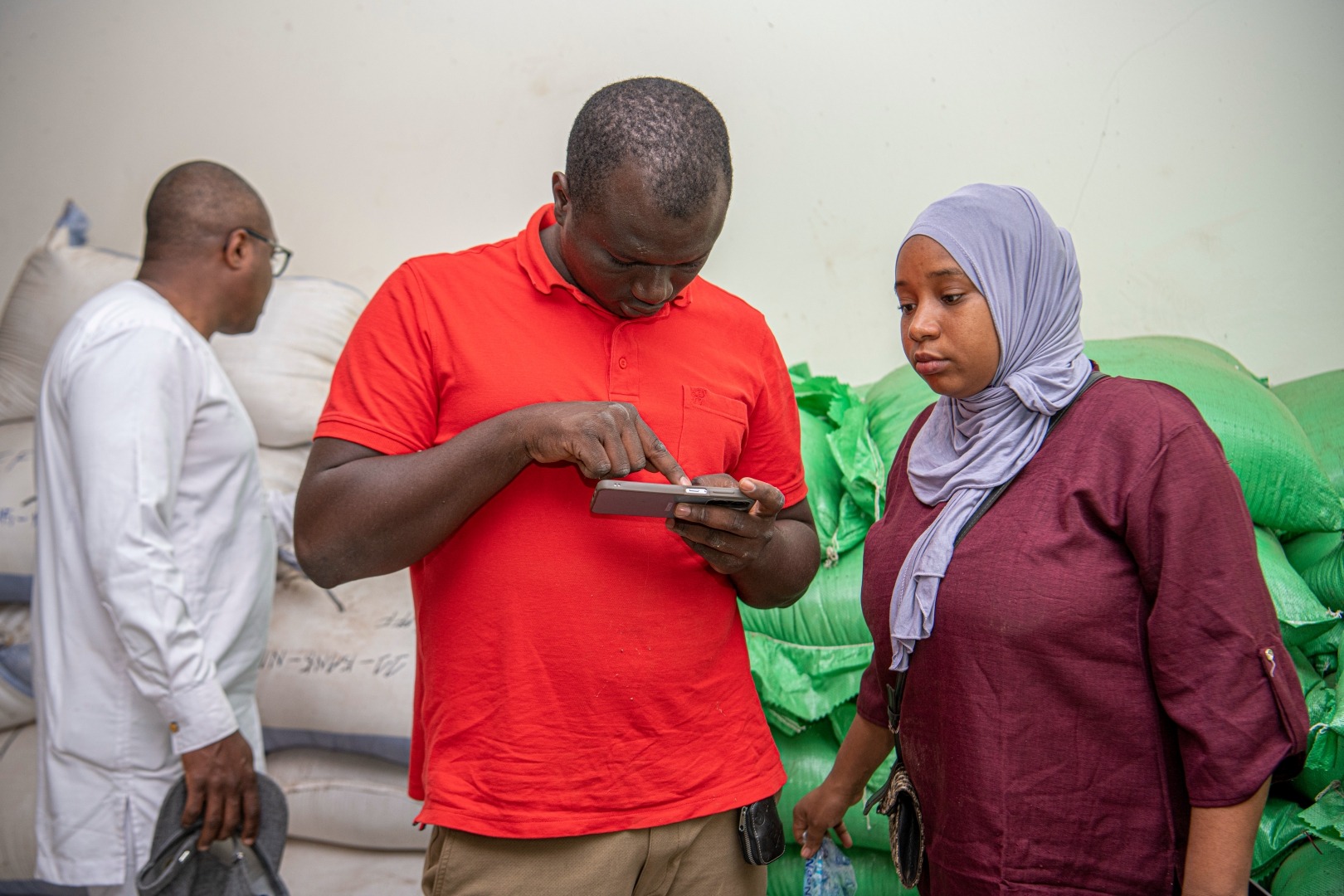
What is already live is more than enough to meet the needs of buyers sourcing from West Africa today. The compliance reports Open Grains generates are EU-verified and ready for submission. The farm histories go back further than EUDR requires. The risk-flagging system catches problems before they become compliance failures, and the platform provides clients with the tools to address them.
For our customers at Terra, this is what a traceable supply chain looks like in practice. It is not just a promise, but a platform built in the field, designed for smallholder farmers, and operating on the supply chains we rely on every day.
To learn more about how Terra is meeting EUDR requirements across our fonio and soy programs, visit our EUDR Compliance page.
For questions about sourcing, contact our team below: